In Changfu it is the lead. Boron, with vitamin D3, magnesium, zinc and ashwagandha, for men in their 40s and 50s as SHBG climbs. The honest pitch is free testosterone via that mechanism, not a magic andropause cure. Three to ten milligrams is the range the papers actually studied.
From the desert, into the ward
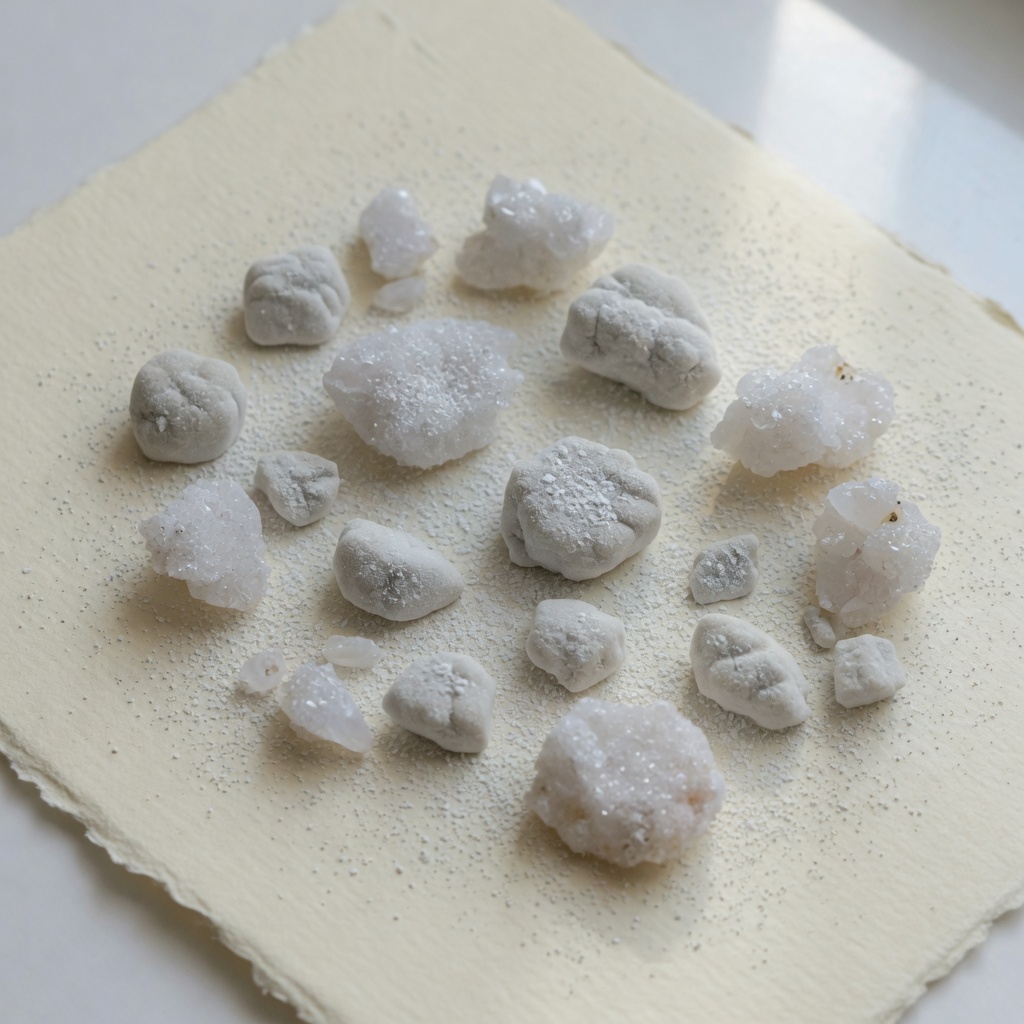
Borax is an old trade: Tibet, the Californian lakes, a flux for glass and enamel. Joseph Lister, in 1875, put boric acid into lint and lotion because the crystals were soft and did not scrape the skin. Antiseptic, then detergent, then a trace in food. Dale Nielsen, in 1987, showed that putting boron back into a low-boron diet changed steroid hormones in postmenopausal women. The mineral had been hiding in the diet all along. Raisins, nuts, avocados. Not a rare earth. A neglected one.
A small trial, a plausible job
Naghii later gave healthy men around six to ten milligrams a day for a week. SHBG fell. Free testosterone rose. Oestradiol fell. Eight men. Seven days. That is not a decade of proof. It is a mechanism that matches what actually changes in this age band: SHBG rises, free testosterone falls, total can look fine on paper. Obesity and health status still matter more than the birthday. If symptoms are significant, see a doctor first. Fenugreek is left out of Changfu on purpose: the evidence is weakest in older men. Boron is the one we kept.
Magnesium sits beside it in Changfu, and with zinc and B6 in Weifu. It does not get a plate. The job is supporting, not starring. Boron is the Changfu lead because SHBG is the mechanism that actually moves in this decade.
Why it sits only in Changfu
Weifu is not a low-T formula. Qifu is the daily vitality. Jingfu is the hour. Boron belongs where SHBG is the story. One mineral, one brief, one decade.
This volume keeps the salts. History first. The formula second. Claims last, and only the ones we can stand behind.
End of plate II.